
Writer’s block is frustrating. It lies to writers, making them feel that all creativity is gone, every stone is turned over, and every word exhausted; it steals their desire to create beautiful sentences and see projects through, making the craft laborious and dull instead of life-giving and delightful; it seeks to destroy their sense of purpose and calling by replacing devotion with duty. Writer’s block drains the life from writers.
And while I’m not sure there’s a perfect cure, I’ve found a few helpful tips for getting unstuck. I share the following declarations and action steps to encourage other writers, especially those in the Christian space.
1. There’s nothing new under the sun.
One of my favorite books in the Bible is Ecclesiastes. As strange as it sounds, I find hope in knowing I’m not the only one who, at times, feels like everything is meaningless. The Teacher (likely Solomon) shares some honest thoughts about his engagement with the world. One such thought is, “What has been will be again, what has been done will be done again; there is nothing new under the sun” (Ecclesiastes 1:9).
On the surface, these words sound depressing. How could they possibly encourage a writer?
The verse could easily say, “What has been said will be said again, what has been written will be written again; there is nothing new under the sun.” One lesson we learn from these words is that if nothing is truly new, then writers can relax without the pressure of producing something excellent, insightful, or groundbreaking. Chances are, whatever we write about has been written about before and will be written about again.
There’s nothing new under the sun. Instead of fretting about that fact, we should choose to simply be faithful to what God has called us to do, which is write. The Christian writer’s goal should be about faithfulness first, not being first to a topic or saying something better than everyone else.
We won’t write something new, but we can say something in a fresh way. Breathe. The pressure to write something groundbreaking is off.
2. It’s ok to say the same thing multiple times.
We all need reminders, especially when it comes to the truth of the gospel. It’s ok to share the same message numerous times. In fact, there’s great benefit in doing so.
Our words make a contribution to the world. Our styles are different and impact people differently. Sometimes, when we say something that has been said before, it resonates with someone in ways it hasn’t before. Each one of us has different perspectives or aspects of truth that’ll prove helpful to different people at different times. Our styles are needed. Consider the gospel writers and their different perspectives on Jesus’ ministry.
It feels silly to say, but I often keep myself from writing because I think I can only say things once. Sometimes, I simply don’t know how to say it better than I did the first time. My hunch is that if we discuss something over and over, we’ll tease out deeper truths and say it with more clarity. It drives my wife crazy when I do this in conversation, but I’m convinced it works.
3. In most cases, something is better than nothing, so just write.
Many times, we just need to put something on paper. Nothing helpful or edifying will come from doing nothing; therefore, write something. There have been plenty of times when I write something poorly only to revisit it later and realize it wasn’t that bad. Maybe I wasn’t as fatigued as I thought. Perhaps my words were clearer than they appeared. Consider writing something today and returning to it tomorrow.
Writers write. Tim Challies said, “You can’t call yourself a writer if you are skilled with a pen but never pick it up.” You are not a writer if you have a million great ideas. You are a writer if you pick up your pen and write.
4. Read good books, especially memoirs.
I’m not sure what it is about memoirs, but they unlock something inside me. Maybe it’s because reading a person’s words about life encourages me to think about my own. Perhaps the use of language inspires me to try a new approach or experiment with sentences. Reading good books can open a portal into new areas of writing that make the craft exciting again.
5. It’s God we’re serving.
At the end of the day, it’s God we’re serving. Sure, we should be sensitive to the concerns of our readers, but truly, when it’s all said and done, it’s Jesus we’re writing for. We’re ultimately accountable to God. So, pick up the pen and press into your calling.
I hope these thoughts encourage you. Keep writing. We’ll all benefit from reading about your encounters with Jesus.

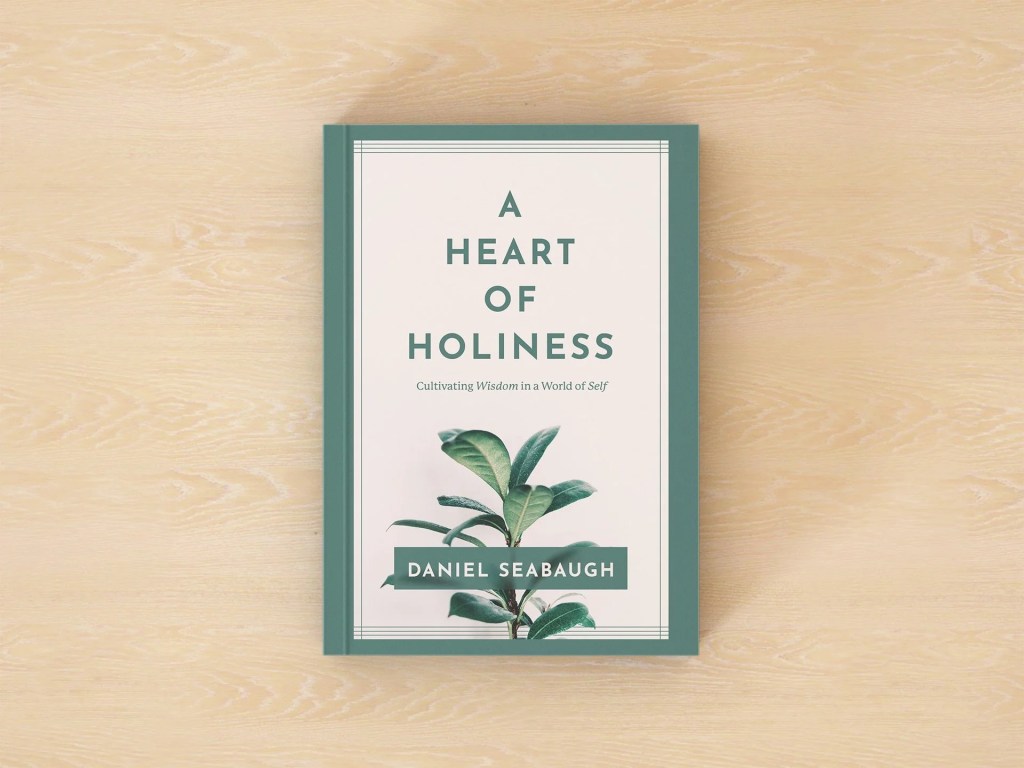





 Daniel Seabaugh
Leave a comment